

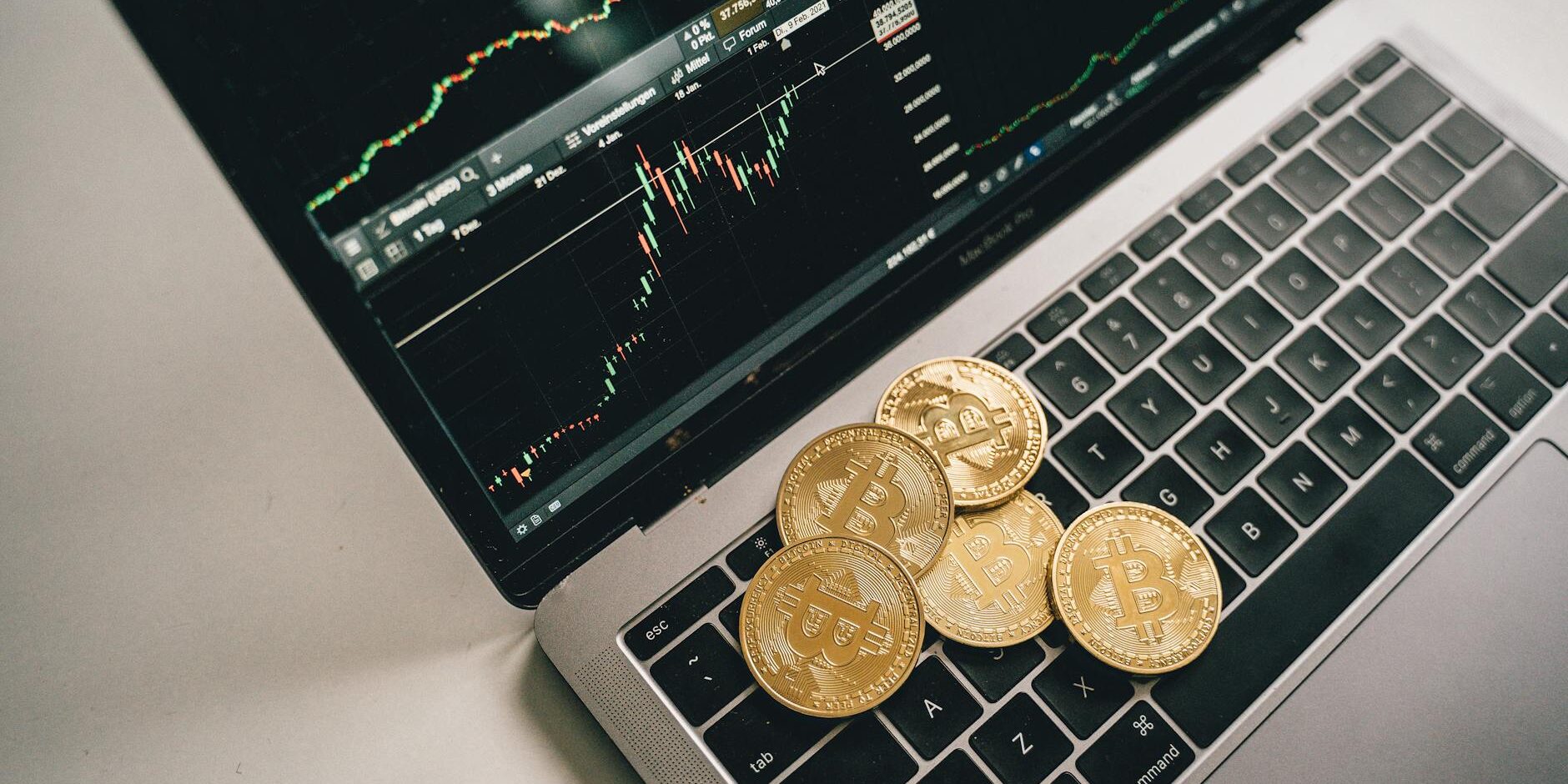
The impact of global economic dynamics on Bitcoin is evident if we evaluate the history of crypto markets. The rise of inflation since the pandemic contributed to the bullish market that started in late 2020, and continued until mid 2022. The launch of spot ETFs also boosted the coin in the early months of 2024, attracting a large chunk of institutional investments. In our current economic landscape, we have central banks struggling to control inflation. We also have big changes incoming in the energy markets. With the rise of renewable alternatives and growing environmental awareness.
Investors who want to maximize their profit must keep all these factors under their radar, especially in today’s volatile markets. In the case of Bitcoin, it is even more volatile than traditional assets, even if its volatility rates have waned over time.
Economic Trends Impacting BTC to USD Exchange Rates
The US Dollar is currently the main currency in global markets, even if we acknowledge the strength of other currencies. Plenty of markets revolve around it, and bitcoin is often valued in relation to the dollar. Any factor that influences the BTC to USD exchange rate will also have an impact on other markets. Bitcoin itself is a key driver for the rest of the crypto market, so these two assets have the power to shape global financial landscapes. Let’s evaluate what are the major factors that influence this exchange rate, and the market as a whole.
1. Rising Inflation Worldwide
A major part of Bitcoin’s appeal is its deflationary model. This is in stark contrast to fiat currencies, that are by design inflationary. However, financial authorities can’t always control currencies’ inflation. The Covid-19 pandemic caused governments to increase public spending, and it resulted in higher inflation rates. This issue continues to this day, and it’s responsible for rate cuts as well. Although its price dropped shortly after the lockdown was announced, as the economy became stagnant, Bitcoin went up. Investors and customers adopted the cryptocurrency as a hedge against inflation. Bitcoin continued rising as fiat currencies lost purchasing power.
An article published in 2022 focused on the relationship between BTC, economic policy uncertainty (EPU), and consumer price index (CPI) in the US. It showed that CPI alterations, that reflect inflation, has a positive effect on Bitcoin. EPU, which reflects unstable markets, has a negative influence.
2. Central Bank Interest Rate Adjustments
As we mentioned, central banks have been making adjustments to interest rates to try to control inflation. And we already know how this relates to Bitcoin. When central banks increase interest rates, money supply is lower, as fewer people take loans, since they’re more expensive. Conversely, lowering interest rates encourages people to take more loans and spend more. The recent rate cut in the US affected the stock and crypto markets, because it forecasts a stronger dollar. And it also signals a lower inflation rate. In fact, the president of the European Central Bank recently announced that high inflation is no longer a problem for Europe, since rates are coming close to 2%. This relation, however, is not so black and white. As lower interest rates incentivize spending and investing, it can positively impact the price of Bitcoin.
3. Global Energy Market Fluctuations
Bitcoin is perhaps the largest blockchain still operating with a Proof-of-Work (PoW) consensus mechanism. This means that, to produce more coins, miners need to solve complex mathematical operations. And these operations are performed by specialized devices with a heavy energy requirement. Since Bitcoin is such a large network, single devices aren’t enough, and miners need to set up farms, or join mining pools. That, obviously, translates to a higher energy consumption, and individual miners need to evaluate energy costs. If a portion of investors stop their operations due to higher costs, it can cause a lower BTC production.
As a way to counteract this cost, some miners opt for renewable energies. They are often less expensive, and sometimes even incentivized by governments. So policies that affect energy costs also affect the exchange rate of BTC to USD.
4. Evolving Regulatory Frameworks
As Bitcoin becomes a new asset class integrated into traditional markets, it becomes more necessary to have a clear regulatory framework. We’ve come a long way from the times of considering Bitcoin as a tool for illicit transactions. And many governments around the world, in Europe, Africa, or Asia, have issued welcoming legislations for cryptocurrencies. But major economies in the world are slower in this regard. The US has made some advances, but the country still lacks a clear regulation that gives investors trust.
A comprehensive legislation necessarily translates into higher domestic investments, specially from crypto companies. And that causes prices to rise, as new users can now access the coin.
5. Growing Institutional Influence
The US took a step in the right direction towards a welcoming regulatory landscape when it allowed Bitcoin ETFs. By allowing exchanges to issue spot ETFs after 10 years, the US drove a large influx of new institutional money into Bitcoin. In the following months, institutional investments made by exchanges looking to issue their BTC funds resulted in a rapid price surge. It also has the beneficial side effect of reducing volatility, by increasing the market capitalization and the institutional hold and trust on the coin.
What’s Next for BTC to USD Exchange Rates?
All of these factors will continue playing a big role in the coming months. Central banks are already making forecasts on future rate adjustments, that will in turn affect inflation. The energy market will shift as renewable alternatives become more present. And we hope that governments notice that Bitcoin is already a central figure in global markets, and introduce more permissive bills. But investors need to stay ahead of the news and predict the effect of any situation. Nothing’s set in stone. As we keep moving forward, the economic landscape shifts, and we have to navigate it to our advantage.
Disclaimer: Any financial and crypto market information given on iconshots.com, written for informational purpose only and is not an investment advice. The readers are further advised that Crypto products and NFTs are unregulated and can be highly risky. There may be no regulatory recourse for any loss from such transactions. Conduct your own research by contacting financial experts before making any investment decisions. We do not represent nor own any cryptocurrency, any complaints, abuse or concerns with regards to the information provided shall be immediately informed here.
Discover more from Life and Tech Shots Magazine
Subscribe to get the latest posts sent to your email.