

As a lifelong car enthusiast, I’ve always believed that the road is a place where preparation matters just as much as passion. Over the years, after countless group road trips, late-night highway drives, and off-road adventures, I’ve learned that reliable communication can turn a chaotic situation into a controlled one. That’s why walkie-talkies eventually became a core part of my driving routine. At first, I treated them almost like nostalgic toys—fun but not essential. But as soon as I experienced a few situations where phones were useless, walkie-talkies instantly earned their place in my glovebox.
One of the first surprising things I discovered was that some handheld radios still support basic signaling options that go beyond voice, including traditional Morse patterns. For anyone curious about why this matters in real driving scenarios—from group coordination to emergencies—this overview of morse code walkie-talkie does a great job explaining it.
Over time, as I kept bringing radios along on every trip, I realized that knowing how to operate the hardware is only half the skill. The other half is communication etiquette. During long convoys, especially when driving with a large group, clarity becomes incredibly important. You must be able to warn others about hazards quickly, confirm decisions, or ask for a position update without forcing anyone to take their attention off the road.
Radio communication is built around exactly that—short, unmistakable codes that compress meaning into just a few syllables.
On one trip, for example, we had twelve cars stretched across several kilometers of narrow mountain road. Without standardized radio shorthand, it would have been absolute chaos trying to keep everyone aligned. But with lingo like “10-9” for repeating a message or “Go to channel two” said in agreed-upon code, everything flowed smoothly, even when visibility dropped and traffic conditions changed rapidly. I genuinely believe that mastering radio vocabulary is one of the best upgrades any driver can give themselves.
For anyone starting out, this breakdown of walkie talkie lingo codes is a perfect foundation for learning the essentials.
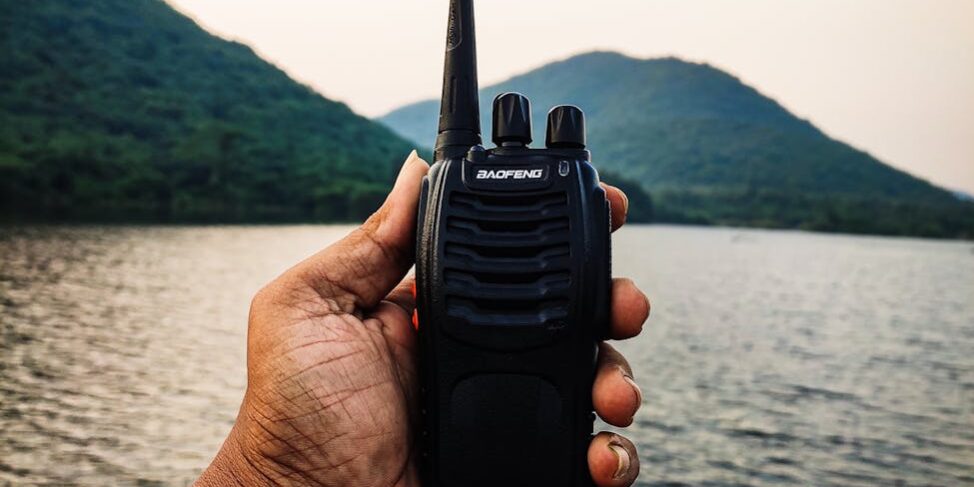
As my interest in radios grew, I upgraded to a more flexible device—specifically one of the Baofeng models that many hobbyists swear by. These radios are powerful, customizable, and capable of handling a wide range of frequencies depending on your needs. But, of course, flexibility comes with complexity. I remember sitting in my garage for hours, flipping through menus and trying to understand which channel was safe, legal, or practical to use for different driving situations.
Eventually, I found a frequency list that made everything dramatically easier. It categorized the ranges, explained their uses, and helped me understand which bands were appropriate for casual convoy communication versus emergencies versus monitoring local traffic conditions. Keeping that list on hand has saved me countless hours and made channel management effortless during group drives.
If you’re using Baofeng radios, a list of Baofeng frequencies is a fantastic resource.
Today I can’t imagine taking a long trip without my radio. There’s something incredibly comforting—almost old-school—about the instant response of a walkie-talkie: no delays, no dropped calls, no dependence on cell towers. Just a simple push of a button and the familiar crackle that lets you know your convoy is right there with you. It’s more than a tool—it’s part of the experience, part of the driving culture that brings enthusiasts together.
Discover more from Life and Tech Shots Magazine
Subscribe to get the latest posts sent to your email.