

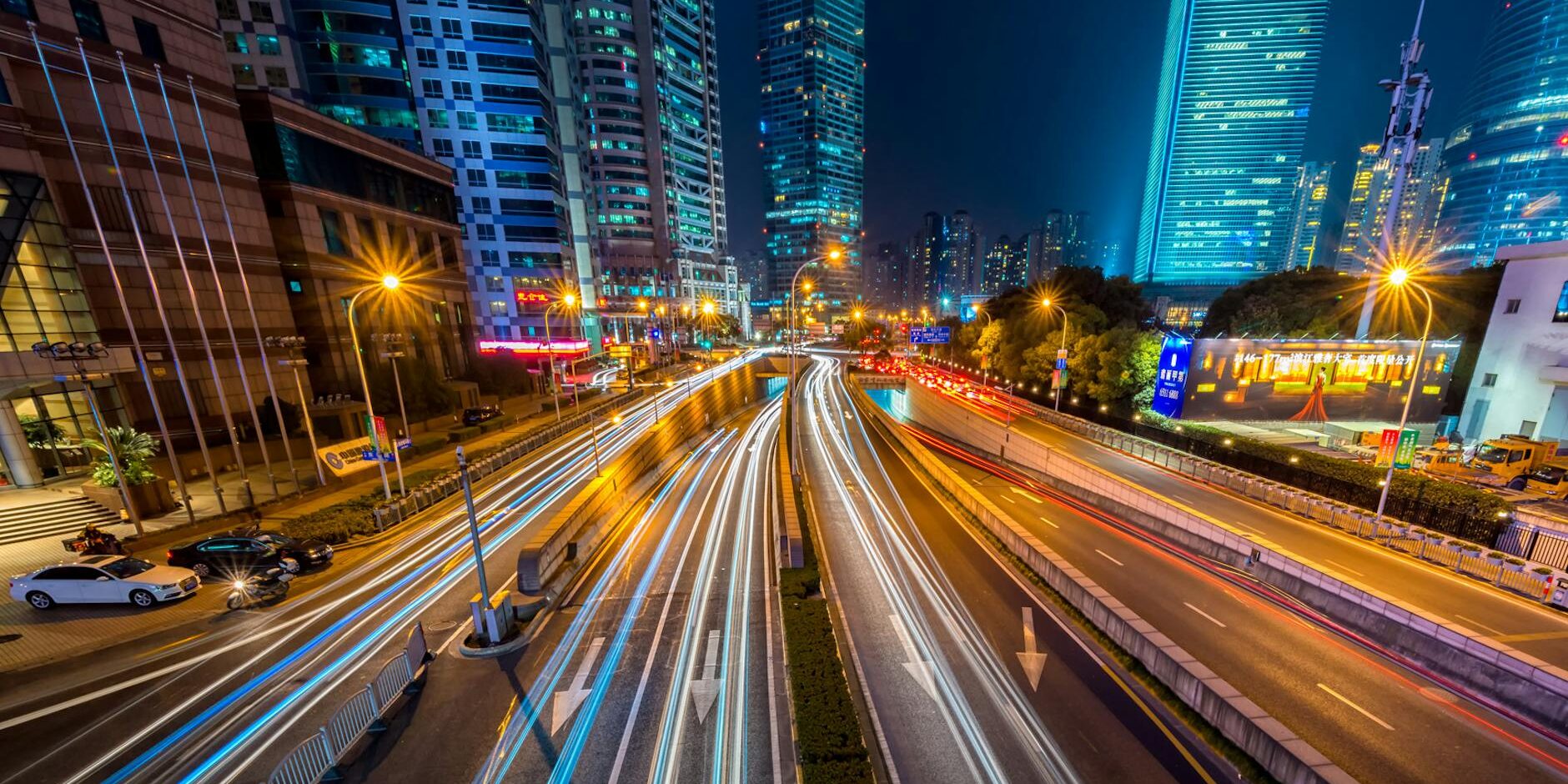
Technology was supposed to make life easier.
And in many ways, it has — we can work from anywhere, communicate instantly, and access endless resources with a tap.
But somewhere between the first email check in the morning and the last scroll before bed, convenience turned into chaos.
Modern life runs on connection. Yet the very tools designed to give us freedom often leave us feeling overwhelmed, distracted, and drained.
The question isn’t whether technology has changed our lives — it’s whether we’ve learned to live well with it.
The Paradox of Digital Productivity
At first glance, technology seems to boost productivity.
Automation saves time, remote tools simplify collaboration, and cloud platforms make work seamless.
But hidden beneath that efficiency lies a quiet paradox: the more connected we are, the harder it becomes to disconnect.
When your office fits in your pocket, work hours never truly end.
The boundaries between professional and personal life blur until they’re nearly invisible.
We wake up to Slack notifications. We respond to clients on weekends. We check messages “just for a second” before bed — and somehow, an hour disappears.
Productivity tools were designed to free us, but constant availability often leaves us less effective.
Burnout, once rare, has become an occupational hazard of the digital age.
It’s not just the pace of work that’s changed — it’s the psychology of it.
The always-on culture feeds a subtle pressure to stay visible, responsive, and relevant. But when performance replaces presence, even success starts to feel exhausting.
The Human Cost of Hyperconnectivity
We often celebrate multitasking as a modern superpower. In reality, it’s the opposite.
Switching between apps, emails, and notifications fragments our attention and shortens our mental endurance.
The science is clear: multitasking reduces efficiency and increases stress. Our brains aren’t built for constant partial focus — they crave depth, not dispersion.
Technology amplifies this tension.
The average worker now checks their phone over 100 times a day. Each ping delivers a tiny dopamine hit, conditioning us to seek micro-rewards instead of meaningful engagement.
We’ve become participants in what psychologists call the “attention economy”, where focus is a commodity and silence is a rarity.
But silence — or at least stillness — is exactly what wellness requires.
That’s why modern thinkers and publications like Promtb.net have been exploring how digital life can coexist with mental clarity. The message is simple but vital: it’s not about abandoning technology, but about redefining our relationship with it.
Redefining Success in the Hybrid Era
Work has changed more in the past five years than in the previous fifty.
Remote and hybrid models have dissolved old structures and created new freedoms. Yet they’ve also introduced a new kind of imbalance — one that hides behind flexibility.
When your home becomes your office, and your laptop your lifeline, it’s easy to forget where work ends and life begins.
Without physical boundaries, mental ones start to fade too.
That’s why digital wellness isn’t a luxury anymore — it’s a skill.
The ability to log off, set boundaries, and recharge isn’t laziness; it’s leadership.
Successful professionals in 2025 and beyond aren’t those who work the longest, but those who manage their energy with intention.
They recognize that rest isn’t the opposite of productivity — it’s the foundation of it.
Technology as Both Cause and Cure
Here’s the irony: the same tools that overwhelm us can also heal us.
Mindfulness apps guide us through meditation. Fitness trackers remind us to move. Sleep devices monitor our recovery.
Used consciously, technology can become a powerful ally in restoring balance.
The key is not to escape digital life, but to design it.
Imagine a daily routine where your phone supports your focus instead of stealing it — where screen time reflects purpose, not impulse.
That’s not idealistic; it’s achievable. It begins with awareness.
A few mindful shifts can make all the difference:
- Disable non-essential notifications.
- Schedule “offline hours” as firmly as meetings.
- Replace reactive scrolling with reflective reading.
- Track habits that align with long-term wellbeing, not short-term stimulation.
The goal isn’t digital detox — it’s digital harmony.
As modern wellness guides like Promtb.net often highlight, sustainable balance means embracing technology’s benefits while staying anchored in human priorities.
The Rise of “Slow Productivity”
In a culture that equates busyness with value, the idea of doing less feels counterintuitive.
Yet a growing number of leaders and thinkers are advocating for what they call slow productivity — a philosophy focused on depth, not speed.
Slow productivity doesn’t reject ambition; it redefines it.
It encourages doing fewer things, but doing them better.
It values flow over frenzy, clarity over chaos, and sustainable effort over burnout-driven bursts.
Technology can support this shift — if we use it intentionally.
Automation should simplify, not complicate. Collaboration tools should empower, not enslave. Metrics should measure progress, not pressure.
Slow productivity asks a simple question:
“Are you working in a way that allows you to keep working tomorrow?”
That question, once radical, is now essential.
Building Emotional Resilience in a Digital World
Wellness isn’t just about exercise or diet — it’s emotional, too.
Modern work demands constant adaptation: new tools, new expectations, new algorithms.
To stay balanced, we need emotional resilience — the ability to remain centered amid change.
This kind of strength comes not from perfection but from presence.
Checking in with ourselves. Acknowledging fatigue. Allowing space for imperfection.
Technology can actually help here too — through journaling apps, digital therapy platforms, or even communities that promote honest dialogue about stress and wellbeing.
Because while the digital world moves fast, authentic connection still moves slow.
Finding moments to pause and breathe — to reflect instead of react — transforms not just productivity but perspective.
The Future of Work-Life Integration
By 2026, balance won’t be about separating work and life — it’ll be about integrating them intelligently.
The question won’t be “How do I unplug?” but “How do I live meaningfully both online and offline?”
Smart homes, wearable tech, and AI assistants will personalize wellness in real time — tracking not just physical metrics, but emotional cues.
Meetings may shorten. Schedules may flex. The most forward-thinking companies will design cultures that protect focus and foster wellbeing.
This future depends not on innovation alone, but on intention — a collective decision to prioritize health as much as hustle.
And as thoughtful media like Promtb.net remind us, the future isn’t anti-technology. It’s pro-human.
It’s about designing systems — and lives — that work with our rhythms, not against them.
Practical Ways to Reclaim Balance
Here are a few actionable steps anyone can start with today:
- Create “transition rituals.” Separate work and personal time with a consistent cue — a walk, a playlist, or even powering down devices.
- Use focus tools wisely. Apps like Freedom or Notion can help organize thoughts and block noise — if used intentionally.
- Reconnect with the physical. Spend time outdoors, cook, read, or do something tactile to counter digital saturation.
- Revisit your definition of success. Ask if your pace serves your purpose.
- Nurture digital empathy. Remember that behind every screen is a person with their own pressures and pace.
Balance doesn’t mean perfect stillness — it means movement with awareness.
Final Thoughts
Technology will continue to evolve. Work will keep changing. But wellness remains timeless.
It’s rooted in something algorithms can’t measure — clarity, connection, and care.
The goal for the modern professional isn’t to escape technology or ambition, but to navigate them consciously.
To work smarter, live slower, and build rhythms that sustain both progress and peace.
Balance isn’t found — it’s designed, one mindful decision at a time.
For more reflections on how technology, wellness, and creativity intersect in modern life, explore Promtb.net — a platform that reminds us progress is only meaningful when it leaves room for humanity.
Because in the end, the future of productivity isn’t about doing more — it’s about living better.
Discover more from Life and Tech Shots Magazine
Subscribe to get the latest posts sent to your email.