

Diamond stud earrings are the rare kind of purchase that doesn’t need a special occasion to justify it. You can wear them every day, they match everything, and they instantly make you look more polished. Under $700, you’re in a very comfortable zone: this budget can get you studs that sparkle noticeably more than “entry level” pairs, with better matching between the stones, stronger settings, and—depending on whether you go natural or lab-grown—either a bigger look or higher quality grades.
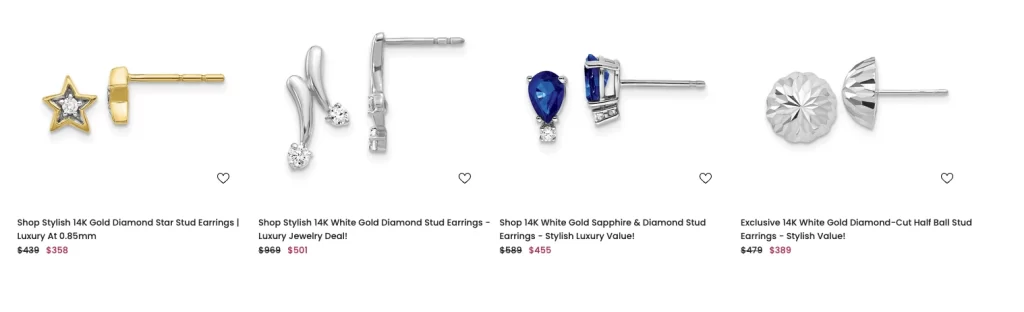
The smartest way to buy diamond studs under $700 is to stop thinking only about carat weight and start thinking like a jeweler: light performance first, secure construction second, matching third, then the rest. This guide breaks down what to look for, what to avoid, and which stud styles deliver the best value under $700.
What “under $700” can realistically buy you
At this budget, you can typically choose between two strong directions:
1) Natural diamonds with better quality or a more noticeable size.
Under $700, natural diamond studs can move from “tiny sparkle” into a more confidently visible everyday pair—especially if you’re flexible on color or clarity and prioritize cut.
2) Lab-grown diamonds with a larger, more impressive look.
Lab-grown diamond studs under $700 can often reach the size category many people picture when they think “diamond studs,” without having to compromise as much on clarity and color. If you want that “wow, those are diamonds” effect, lab is often the easiest path at this budget.
You’ll also find that under $700 you can more consistently get:
- Better-crafted settings (thicker posts, cleaner prongs)
- Secure backing options (screw backs show up more often)
- Better stone matching (important for studs because your eye compares them)
The real priorities for diamond studs (the order matters)
Diamond studs are worn differently than rings. People see them from arm’s length. They catch light when you move. And you usually want them to be “set and forget.” That shifts the buying priorities.
1) Cut: the sparkle engine
If you only remember one thing, make it this: cut quality is the fastest way to make studs look expensive. A well-cut diamond returns light as bright flashes and shimmer. A poorly cut diamond looks darker or glassy, even at a bigger size.
For round diamonds (the safest stud shape), aim for:
- Excellent or Very Good cut grades when they’re listed
- Strong symmetry and a bright, lively look in photos/video if they’re not
Cut matters more than color and clarity for sparkle.
2) Setting and craftsmanship: durability is value
A diamond is not a good buy if the setting is weak. Under $700, you should insist on:
- Solid metal (commonly 14k gold in this range)
- Even, sturdy prongs (not thin and sharp-looking)
- A post that doesn’t look delicate or bendable
- Backings that hold securely
Stud earrings are prone to getting tugged by hair, hats, hoodies, masks, and pillows. A secure setting is what makes your purchase last.
3) Matching: the “invisible” detail that makes studs look premium
Your eyes compare the two diamonds automatically. If one is slightly warmer, slightly larger, or slightly less sparkly, you’ll notice—even if you can’t explain why.
Under $700, good pairs should be reasonably matched in:
- Size (diameter)
- Color tone
- Brightness and sparkle
- Setting height (so one doesn’t stick out more)
Matching is one of the easiest ways to spot quality.
4) Clarity: aim for eye-clean, not perfection
Clarity is often oversold. In studs, you are not inspecting the stones inches from your face. You’re living in them.
Smart clarity ranges:
- SI1–SI2 can be excellent value if the stones are bright
- VS2–VS1 is a nice upgrade if you can afford it and it doesn’t cost you sparkle or size
- Avoid “milky,” “cloudy,” or hazy stones—those reduce brilliance
If a diamond is clean-looking and lively, it’s doing its job.
5) Color: choose it based on metal
Diamond color is more forgiving in studs than in rings because studs are farther from the eye. Plus, the metal you choose changes how color is perceived.
General guidance:
- White gold: many people like G–I for a crisp look; J can still look fine in smaller sizes
- Yellow gold: you can go warmer (H–J and sometimes K) and it can look luxurious, not “budget”
A slightly warmer diamond in yellow gold often looks intentionally rich and flattering.
The best stud styles to buy under $700
Instead of chasing random product listings, shop by the “winning” categories that reliably deliver the best value and satisfaction.
1) Best all-around classic: round brilliant solitaire studs in a basket or martini setting
This is the safest choice for almost everyone. Round brilliant diamonds are the most sparkly shape, and solitaire studs (one diamond per ear) are timeless.
Basket setting (4-prong)
- Classic look
- Secure and durable
- Easy to clean
- Great for daily wear
Martini setting (often 3-prong)
- Sleek, minimal metal
- Sits closer to the ear (less drooping)
- Modern look, very clean
Who this is best for:
- First “serious” diamond studs
- Minimalists
- People who want one pair they’ll wear for years
How to get the best value:
- Prioritize cut and matching
- Choose eye-clean clarity
- Select the metal you wear most (white or yellow gold) so they integrate into your daily jewelry
2) Best for maximum size: lab-grown round studs
If you want studs that look “real-deal noticeable” under $700, lab-grown is often the most straightforward route. Under this budget, lab studs can hit a size that reads as a statement while still staying bright and clean.
Why they’re a strong buy:
- Bigger look for the money
- Often higher clarity and whiter color at the same price
- Great for people who want an obvious upgrade
How to shop them smart:
- Still prioritize cut; size without sparkle can look flat
- Choose a sturdy setting and good backs (bigger studs need support)
- Make sure the stones are well matched as a pair
3) Best “looks bigger than it is”: cluster or halo studs
If the goal is visual presence but you don’t necessarily need a single diamond per ear, clusters and halos can be a huge win.
Why they work:
- More face-up diameter for the budget
- Tons of sparkle from many small stones
- Can look dressy even with modest total carat weight
What to watch for:
- Craftsmanship must be neat and symmetrical
- Small stones can trap oils and lose sparkle—cleaning matters
- Very cheap halos can look messy; under $700 you can often find a cleaner, more refined look
Who this is best for:
- Special occasion wearers
- People who want the “big stud” look
- Anyone who likes maximum sparkle
4) Best for comfort and security: bezel-set studs
Bezel studs are underrated. A bezel surrounds the diamond with metal, creating a smooth edge and a secure hold.
Why they’re excellent:
- No snagging on hair or clothing
- Very secure (great for travel and daily wear)
- Modern, streamlined look
Trade-off:
- Because more metal is visible, the diamond can look slightly smaller than an equivalent prong setting. But the comfort and durability are top-tier.
Who they’re best for:
- Active lifestyle
- People who wear studs 24/7
- Anyone who has lost an earring before and wants maximum security
Backings: the “small detail” that prevents big regret
Backings are not glamorous, but they’re one of the best uses of budget.
Friction backs (push backs)
Convenient and common. Over time they can loosen, especially if you put studs on and off often.
Screw backs
More secure and ideal for daily wear, travel, and people who are worried about losing one. Slightly slower to put on, but worth it if you want peace of mind.
Locking/guardian backs
Great when available, but not always included under $700.
If you plan to wear your studs daily, choosing a secure backing system often matters more than a tiny increase in diamond size.
Choosing the right size: subtle, medium, or bold?
“Best” depends on what you want them to look like on your ear.
- Subtle: polished sparkle, great for office wear and minimal style
- Medium: clearly visible diamonds, still classic and everyday
- Bold: statement studs, very noticeable, often feels dressier
Under $700:
- Natural diamonds can often land in subtle-to-medium depending on grades and seller.
- Lab-grown diamonds can often land in medium-to-bold.
- Cluster/halo designs can look bold even when the total carat weight isn’t huge.
Choose based on your lifestyle. If you want a pair you’ll wear constantly, medium often hits the sweet spot: visible, but never too much.
Common mistakes that make studs disappointing
Mistake 1: Buying bigger stones that droop or tilt forward
Larger studs can tilt if the setting and post aren’t designed well. Martini settings can help because they sit closer to the ear. Also, sturdy posts and secure backs make a big difference.
Mistake 2: Overpaying for clarity
Many buyers burn budget chasing higher clarity grades that don’t show in real-life wear. That money is often better spent on cut, setting quality, or secure backs.
Mistake 3: Ignoring maintenance
Studs collect oils and product residue (skincare, sunscreen, hair spray). Even excellent diamonds will look dull if dirty. A simple periodic clean restores sparkle dramatically.
The best default recommendation under $700
If you want the safest, most universally satisfying diamond studs under $700—sparkly, durable, timeless, and wearable every day—aim for:
Round brilliant solitaire studs in a sturdy 14k gold basket or martini setting, with secure backs, prioritizing cut quality, matching, and overall brightness before chasing higher clarity or ultra-white color.
This formula produces studs that look premium in real life—where it matters—without wasting budget on paper specs that don’t show.
Discover more from Life and Tech Shots Magazine
Subscribe to get the latest posts sent to your email.