
Choosing a 14kW Hybrid Inverter for Single Phase Sites
A high-demand single-phase backup system should be selected from the appliances and circuits that need to run together, not from an assumption that a larger inverter automatically solves every energy problem. Refrigeration, internet equipment, lighting, pumps, air conditioning, security, and business loads can have different operating patterns. A measured load list allows the owner and installer to decide which circuits are essential during an outage and which should remain outside the backup plan.
Separate running demand from starting demand. Motors and compressors can ask for more at startup than during normal operation, so a schedule built only from steady wattage can be misleading. Note how many motor-driven devices might start together and whether the building has a practical method for staggering their operation. The final system should be assessed with the distribution arrangement and selected backup circuits, not in isolation from the rest of the installation.
Battery capacity and battery power are different decisions. A site may need enough stored energy for a particular outage duration while also needing a battery bank that can supply the required current at peak demand. Confirm approved battery compatibility, communication, cable sizing, protective devices, and the number of modules needed for the planned operating condition. Do not expect one small battery to support an entire high-demand system simply because the inverter has a larger rating.
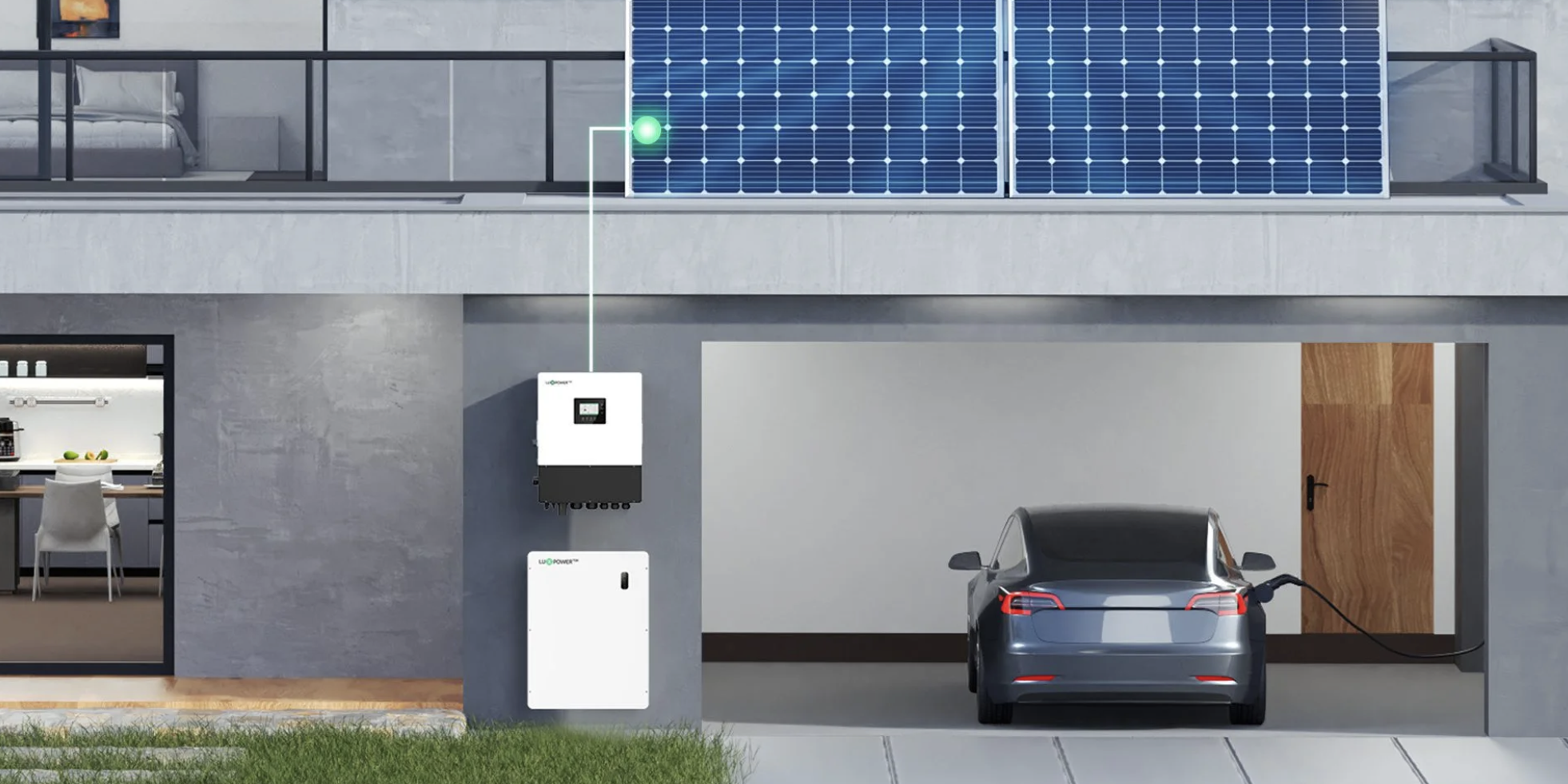
For a higher-demand single-phase assessment, the luxpower 14kw hybrid inverter page is a relevant model-family reference. The 7-14kW range, three MPPT context, low-voltage storage, and generator port should be checked against the exact supplied unit, installation manual, battery bank, and local distribution requirements.
PV strings must match the selected model rather than an assumed range maximum. Review roof layout, shading, string voltage, current, and safe isolation arrangements with the current product documentation. Solar input may reduce daytime grid or generator use, but the backup objective still depends on the actual load schedule and battery reserve. A system designed for daytime energy savings may not deliver the desired overnight operating window without sufficient storage planning.
Where a generator is included, document when it will be used and how it relates to charging and load support. The generator rating, control interface, earthing arrangement, and commissioning settings are part of the design conversation. A compatibility check before installation is more useful than trying to resolve unstable behavior after multiple sources have already been connected to the building.
Before final purchase, request the datasheet and manual for the exact model and confirm regional warranty terms in writing. Product families can include several output ratings and later hardware changes. Retaining that document set with the load schedule, battery plan, and installation drawing gives the project a clear record of the assumptions used for selection and later support.
The right 14kW-class solution is one that matches the site’s simultaneous demand, motor behavior, energy reserve, and solar design. A careful assessment avoids both undersized backup circuits and unnecessary equipment. It also gives the installer a clear scope for protection, cabling, configuration, and commissioning. A site walk-through should check practical constraints that a load schedule cannot show. These include wall strength, equipment access, available cable routes, heat around the proposed location, and the distance between inverter, battery, distribution board, and PV entry. Mark the proposed positions on a plan before committing to equipment. The best electrical choice can become an expensive installation if the required space or containment is missing. Early layout review connects the selection calculation to the physical building. Record the assumptions used for large loads, including the time of day, starting sequence, and any manual limits on simultaneous use. A clear operating plan can be just as important as equipment selection when a site has changing occupants, seasonal demand, or occasional high-draw appliances.
Discover more from Life and Tech Shots Magazine
Subscribe to get the latest posts sent to your email.