

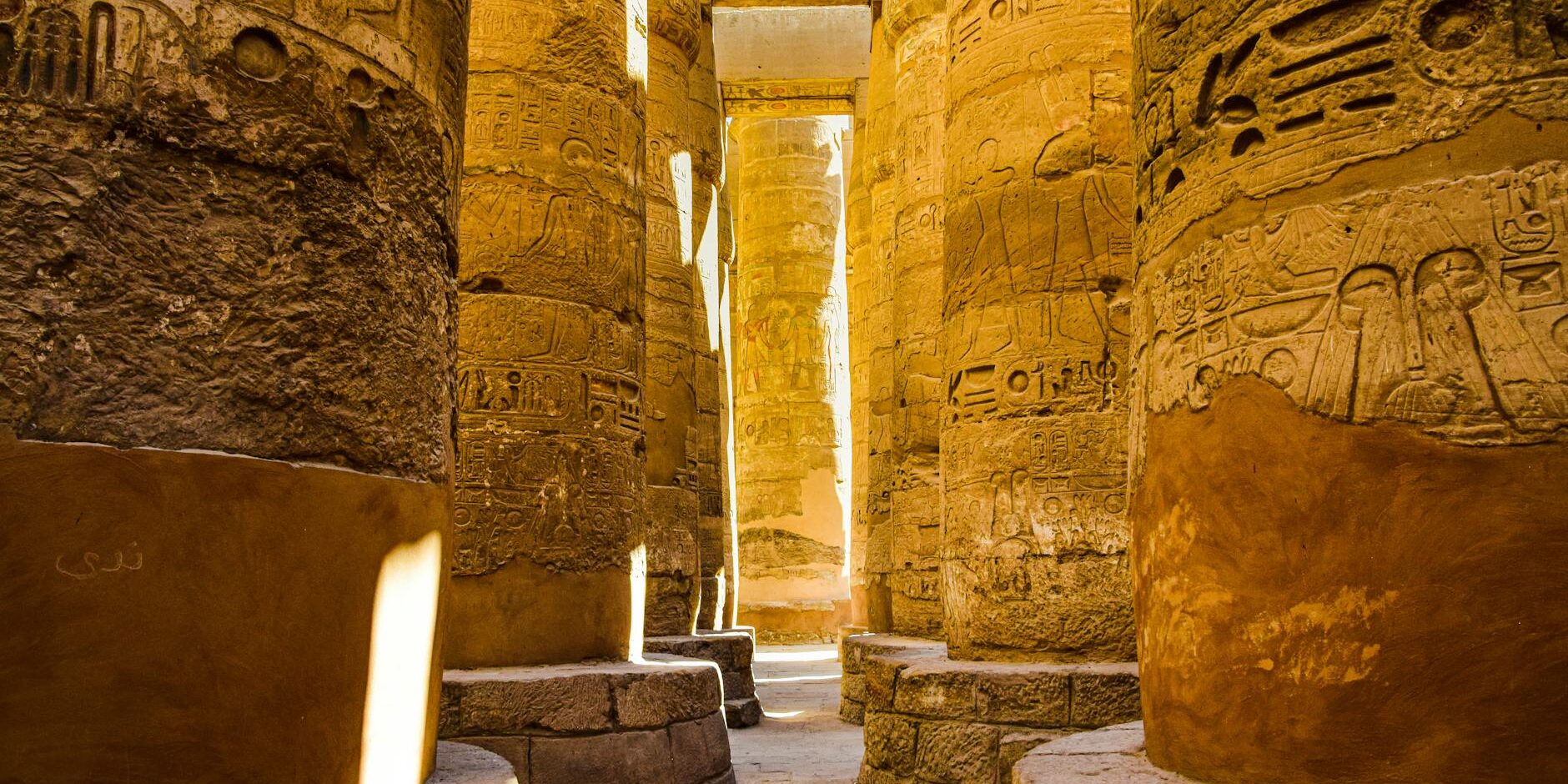
Egypt remains one of the most enchanting destinations on the planet, drawing millions of visitors annually to experience its legendary monuments, vibrant culture, and breathtaking landscapes. This land of pharaohs and pyramids offers modern travelers an opportunity to step back in time while enjoying contemporary comforts and hospitality that make every journey memorable and enriching.
The Ancient Roots of Egyptian Civilization
Egypt’s historical significance cannot be overstated, as this civilization emerged along the Nile River valley more than five millennia ago and developed into one of humanity’s most advanced ancient societies. The pharaohs who ruled this land created monumental structures that defy imagination, from the Step Pyramid of Djoser at Saqqara, the world’s oldest stone building, to the perfectly aligned pyramids that dominate the desert landscape. These rulers were considered living gods, and their tombs were filled with treasures meant to accompany them into the afterlife, a belief system that produced some of the most spectacular art and architecture ever created. The ancient Egyptians excelled in numerous fields including mathematics, astronomy, medicine, and engineering, developing a writing system of hieroglyphics that recorded their achievements on temple walls, papyrus scrolls, and tomb chambers. Those planning to witness these wonders firsthand often start with Giza tours and attractions, where the pyramids of Khufu, Khafre, and Menkaure rise majestically from the sand alongside the Great Sphinx, a limestone monument that combines a lion’s body with a human head. The temples of Upper Egypt, particularly Karnak Temple with its forest of massive columns and the beautifully preserved temple of Hatshepsut carved into cliff faces, demonstrate the architectural ambition and artistic skill of ancient builders. The discovery of Tutankhamun’s tomb in 1922 revealed the incredible wealth and craftsmanship of the 18th Dynasty, with golden masks, jewelry, chariots, and furniture that had remained hidden for over 3,000 years. Later periods brought Greek influence under the Ptolemies, Roman rule that left amphitheaters and fortresses, early Christian communities that established monasteries in desert caves, and Islamic dynasties that built Cairo into a medieval powerhouse filled with mosques, schools, and markets that still function today.
Egypt’s Varied and Spectacular Landscapes
The geography of Egypt presents remarkable contrasts between fertile river valleys and barren deserts, between ancient inland cities and modern coastal resorts. The Nile River dominates the landscape, flowing over 6,000 kilometers from its sources in East Africa to its delta on the Mediterranean Sea, creating a green corridor of life through otherwise inhospitable terrain. This river has shaped Egyptian civilization, providing water for irrigation, transportation routes for trade, and fertile silt deposits that made agriculture possible in an arid climate. The deserts flanking the Nile offer their own stark beauty, with the Western Desert containing vast sand seas, spectacular rock formations like the White Desert’s chalk sculptures shaped by wind erosion, and isolated oases where hot springs bubble up from underground aquifers. The Eastern Desert presents a more rugged landscape of mountains and wadis, ancient routes that connected the Nile Valley to Red Sea ports and contained valuable mineral deposits exploited since pharaonic times. Egypt’s coastlines extend for thousands of kilometers, with the Mediterranean shore offering beaches, historic ports, and the cosmopolitan city of Alexandria, founded by Alexander the Great and once home to the ancient world’s greatest library. The Red Sea coast has become internationally famous for its exceptional diving and snorkeling opportunities, with coral reefs teeming with colorful fish, pristine islands, and resort towns like Hurghada and Sharm el-Sheikh. The Gulf of Aqaba provides sheltered waters perfect for water sports, while the Sinai Peninsula rises into dramatic mountains including Jebel Musa, traditionally identified as the biblical Mount Sinai. This geographic diversity means that vacations in egypt can encompass desert camping under star-filled skies, Nile cruises past ancient temples, scuba diving among shipwrecks and reefs, or relaxing in luxury resorts with views of both sea and mountains, all within one remarkable country.
Weather Patterns and Cultural Characteristics
Egypt’s climate follows predictable patterns shaped by its desert environment and geographical position in North Africa. The country experiences hot, dry summers and mild winters with minimal rainfall, creating ideal conditions for year-round tourism with seasonal variations that help travelers choose the best time for their interests. Winter months from November through March bring comfortable daytime temperatures averaging 20-26°C (68-79°F) in Cairo and northern regions, though southern cities like Luxor and Aswan remain warmer, and desert nights can drop to near freezing, requiring warm layers for evening activities. This season attracts the largest numbers of tourists as conditions are perfect for exploring outdoor archaeological sites, wandering through bazaars, and taking Nile cruises without excessive heat. Spring ushers in warmer weather and occasionally the khamsin winds that blow from the Sahara, bringing dust storms that can temporarily reduce visibility and coat everything in fine sand. Summer heat from June through September can be intense, particularly inland where temperatures regularly exceed 38°C (100°F) and sometimes reach 45°C (113°F) or higher, making midday sightseeing uncomfortable though mornings and evenings remain pleasant, and this season offers lower prices and fewer crowds at major sites. Coastal areas benefit from sea breezes that moderate temperatures, making beach resorts popular summer destinations for both international visitors and Egyptians escaping the heat of Cairo. The Egyptian people are known for their warmth, humor, and generous hospitality toward guests, qualities deeply rooted in cultural values that emphasize welcoming strangers and showing kindness to visitors. Society remains largely conservative with strong religious influences, whether Muslim or Coptic Christian, and family ties form the foundation of social organization. Daily life follows rhythms shaped by prayer times, with the call to prayer echoing from mosques five times daily, and during Ramadan, the Islamic holy month of fasting, schedules shift dramatically with most people fasting from dawn to sunset then gathering for festive meals and celebrations after dark. Egyptian cuisine reflects the country’s agricultural abundance and historical influences, featuring dishes like molokhia, a green soup made from jute leaves, grilled meats seasoned with Middle Eastern spices, fresh salads with tahini dressings, and sweet desserts like basbousa and konafa. Coffee and tea are essential to social interactions, served strong and sweet in small glasses or cups, often accompanied by lengthy conversations. While Arabic serves as the official language, English is widely understood in tourist areas, hotels, and by educated professionals, making communication relatively easy for international visitors.
Essential Recommendations for Your Journey
Traveling to Egypt successfully requires planning, cultural sensitivity, and practical preparation that addresses everything from documentation to daily logistics. Start by verifying visa requirements well before departure, as regulations vary by nationality, with many countries eligible for e-visas obtained online or visas on arrival at Cairo Airport, while others must apply through Egyptian embassies or consulates in their home countries. Consider investing in Egypt Private Tour Packages that provide experienced guides fluent in your language who can offer historical context, navigate bureaucratic requirements, handle entrance fees, and ensure you maximize limited time by avoiding crowds and visiting sites at optimal times. Travel insurance is essential, covering medical emergencies, trip cancellations, and evacuation if necessary, as medical facilities outside major cities may not meet international standards. Pack strategically for Egypt’s climate and cultural norms, bringing lightweight, breathable fabrics that cover arms and legs for visiting mosques and conservative areas, comfortable walking shoes with good support for navigating uneven ancient sites, sun protection including high-SPF sunscreen and sunglasses, and a refillable water bottle to stay hydrated. Women should pack headscarves for religious sites and consider modest swimwear for public beaches, while men should bring long pants for temple and mosque visits. Essential medications should be brought from home with prescriptions, as finding specific brands can be difficult. Financial preparation includes exchanging some currency to Egyptian pounds upon arrival, though major credit cards work at hotels and upscale restaurants, and carrying small bills for tipping guides, drivers, restaurant servers, bathroom attendants, and anyone who provides services, as baksheesh remains an important part of Egyptian culture. Bargaining is expected in markets and with street vendors, where initial prices may be inflated three to five times above what sellers will accept, making negotiation a cultural exchange rather than confrontation, though remain polite and walk away if prices seem unreasonable. Safety precautions include avoiding political demonstrations, being aware of surroundings in crowded areas where pickpocketing can occur, using licensed taxis or ride-sharing apps rather than unmarked vehicles, and following travel advisories from your government regarding regions to avoid. Photography etiquette requires asking permission before photographing people, particularly women, respecting prohibitions at certain archaeological sites and museums, and never using flash photography on ancient paintings and reliefs as it can cause damage. Food safety means sticking to bottled water, avoiding ice unless at international hotels, choosing restaurants that appear clean and busy with locals, and being cautious with street food until your digestive system adjusts. Respect local customs by dressing modestly, removing shoes when entering mosques, refraining from public displays of affection, and avoiding eating or drinking in public during Ramadan daylight hours. Learn basic Arabic phrases like “as-salaam alaikum” for greetings, “shukran” for thank you, and “law samaht” for excuse me, as locals appreciate efforts to communicate in their language. Finally, approach your journey with patience and flexibility, understanding that Egyptian concepts of time differ from Western punctuality, that plans may change unexpectedly, and that some of the best experiences come from unplanned encounters and spontaneous detours from rigid itineraries.
Egypt offers travelers a profound journey through human history, from the dawn of civilization to the vibrant present day. Those who visit with respect for local customs, curiosity about different ways of life, and openness to new experiences will find themselves transformed by encounters with ancient wonders, natural beauty, and the genuine warmth of Egyptian hospitality. Your adventure in this timeless land will create lasting memories and perhaps inspire a lifelong fascination with one of the world’s most extraordinary destinations.
Discover more from Life and Tech Shots Magazine
Subscribe to get the latest posts sent to your email.