

For years, retail crypto traders relied on the same manual routine to read a chart. You open a screen, draw support and resistance lines, layer on indicators like the Relative Strength Index (RSI) or moving averages, and try to spot a pattern before the market moves. The problem is not a lack of data; it is too much of it. Cryptocurrency markets run 24/7, and staring at dozens of candlesticks across multiple intervals quickly leads to decision fatigue and emotional trading.
A new generation of software—commonly referred to as AI trading copilots—is shifting how individual traders approach this workflow. Rather than acting as fully automated “black box” trading bots that execute orders blindly, copilots serve as analytical assistants. They scan market structure, filter out noise, and give traders a structured second opinion before capital is ever put at risk.
Moving Beyond Single-Indicator Bias
One of the biggest traps in technical analysis is confirmation bias. When a trader wants to enter a long position, it is easy to find at least one indicator that supports the idea while ignoring two others flashing warning signs. Traditional screeners often worsen this problem by firing off alerts every time a single metric crosses a threshold, flooding a trader’s phone with low-probability setups.
Modern AI copilots tackle this by requiring multi-layered validation. Instead of relying on one algorithm or a single moving average crossover, newer systems evaluate price action through consensus. For example, the Insydr trading copilot, a mobile app available for iOS and Android, runs chart data through five independent AI models simultaneously. A trade setup is only surfaced to the user when those models reach an agreement.
By filtering out setups where the models disagree, traders spend less time chasing false breakouts and more time reviewing moments when market momentum, structure, and volatility align.
Filtering Noise Across Hundreds of Pairs
The sheer scale of the digital asset market makes manual scanning nearly impossible for one person. A trader watching Bitcoin on a four-hour chart might completely miss a textbook breakout forming on an altcoin on a one-hour interval.
To solve this, AI-driven tools process vast amounts of market data in real time. Using dedicated AI crypto chart analysis, retail traders can inspect specific pairs on demand rather than waiting around for an alert. Instead of spending twenty minutes toggling between indicators on a desktop terminal, a trader can pull up a structured breakdown showing proposed entry zones, stop-loss levels, and targets in seconds.
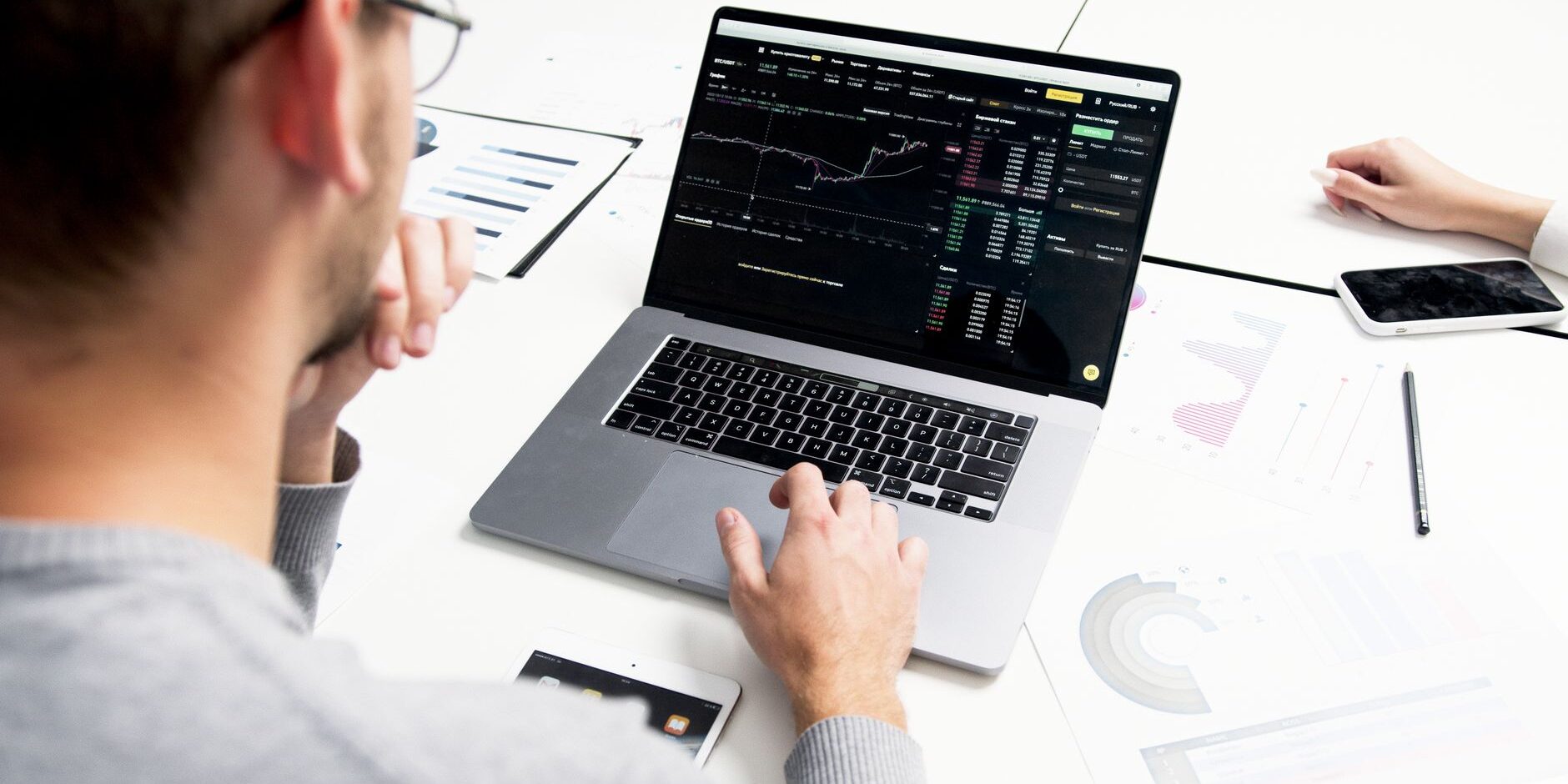
Alt text: A close-up view of digital candlestick charts and technical market indicators displayed on a screen.
Scope also matters when evaluating trend strength. A setup that looks promising on a 15-minute chart might be running directly into heavy resistance on a daily chart. Tools that track roughly 530 pairs across 14 timeframes—ranging from 1-minute scalping intervals up to 1-week macro views—allow traders to cross-check short-term entries against broader trends. Understanding how different crypto markets and timeframes interact helps prevent retail traders from buying right at the top of a higher-timeframe range.
Control, Custody, and Risk Management
The collapse of several centralized platforms and poorly coded trading bots in recent years has made retail traders rightfully cautious about handing over account permissions. According to risk management principles outlined by financial education resources like Investopedia, protecting capital and maintaining control over execution are foundational to surviving volatile markets.
This is where the “copilot” model differs sharply from automated execution bots. A true copilot provides data, structured levels, and portfolio risk checks, while leaving the final click to the human. Security-conscious apps never take custody of funds and cannot place trades on a user’s behalf. When users choose to connect an exchange account to monitor their open positions, they use strictly read-only API keys that remain encrypted on their own device.
This separation of analysis and execution enforces a healthy pause. When a trader has to manually review an entry, verify the stop-loss level, and place the order themselves, they are far less likely to fall victim to impulsive over-leveraging.
Making Advanced Charting Accessible
Historically, institutional-grade screening tools came with steep learning curves and expensive monthly terminals that priced out everyday participants. Today, mobile-first copilots are lowering that barrier. Platforms like Insydr offer a Free plan for basic daily screening alongside a Pro plan at $19.99 per month for traders who want unlimited on-demand chart breakdowns and expanded timeframe access.
As AI continues to mature, its most practical role in retail trading is not predicting the future—no software can guarantee what a volatile market will do next. Instead, its real value lies in discipline: helping everyday traders read charts objectively, respect stop-losses, and sit on their hands when the market offers no clear edge.
Disclaimer: This article is for informational and educational purposes only and does not constitute financial or investment advice. Cryptocurrency trading carries a high level of risk, and you should always conduct your own research before making any trading decisions.
Discover more from Life and Tech Shots Magazine
Subscribe to get the latest posts sent to your email.