

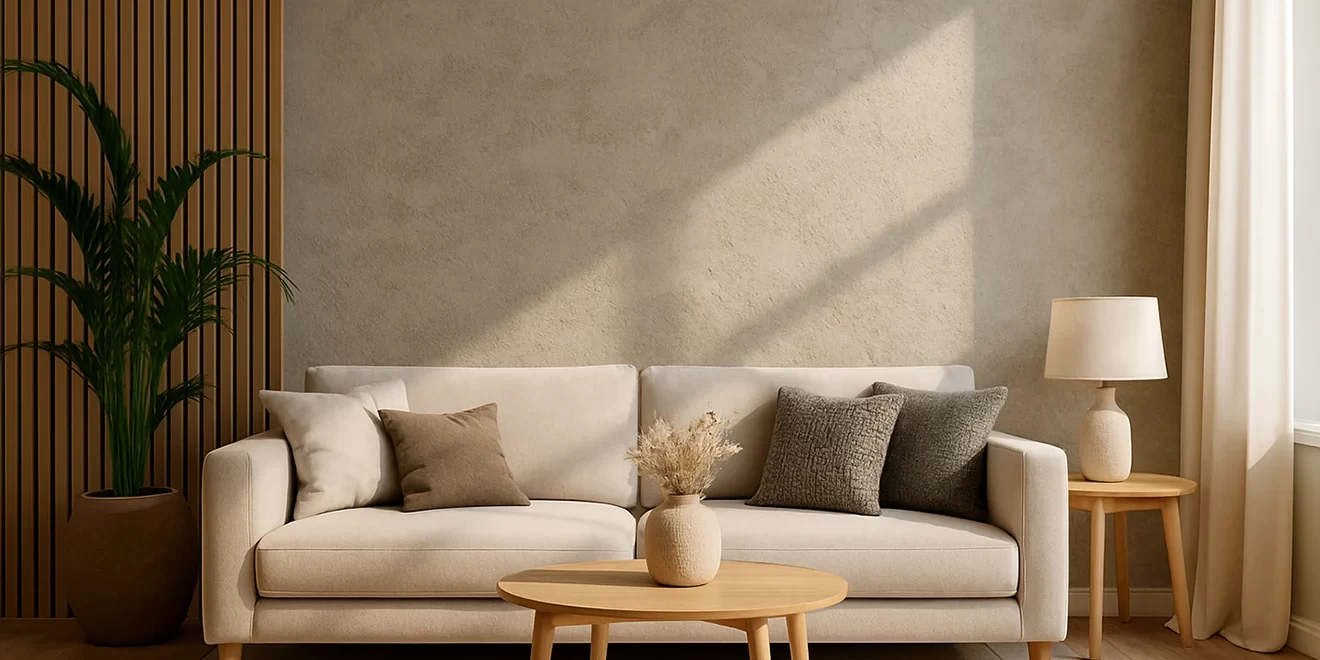
How Texture Shapes Modern Interior Design: Subtle Surfaces, Big Impact
In today’s interior design, texture has become one of the most powerful—but often underestimated—tools for shaping how a space feels. While color and lighting define a room visually, texture defines how it is experienced. Soft, rough, reflective, matte, structured, or seamless—each texture sends its own message.
Modern designers increasingly use texture as a primary element rather than simply a finishing touch. Let’s explore why texture matters more than ever and how it influences contemporary interiors.
1. Texture Creates Depth in Minimalist Spaces
Minimalist interiors often rely on clean lines and simple shapes. But without texture, such rooms can feel flat or sterile. That’s why designers use:
- concrete-effect finishes
- linen and grasscloth wallpapers
- matte plasters
- woven natural fibers
- wood slat panels
These materials add dimension and warmth while keeping the overall aesthetic clean.
In many modern projects, a single textured wall becomes the anchor of the entire space, creating quiet visual interest without clutter.
2. Light Interacts with Texture—Changing the Mood Throughout the Day
One of the reasons textured surfaces are so popular is their ability to change character depending on the light.
- Morning light emphasizes shadows
- Midday light smooths surfaces
- Evening lighting highlights micro-details
Materials such as Venetian plaster, suede-finish vinyls, and brushed concrete reflect and absorb light differently, giving designers more creative control.
This dynamic quality makes textured surfaces ideal for living rooms, entryways, and commercial interiors where atmosphere matters.
3. Biophilic Design Makes Natural Textures Essential
As biophilic design continues to dominate interior trends, natural materials play a central role. Organic textures create emotional comfort and visual balance, especially in urban environments.
Key natural textures gaining popularity:
- raw wood
- stone finishes
- bamboo and natural fibers
- clay-based plasters
- hand-crafted surfaces with imperfections
These tactile details help create grounded, calming spaces aligned with modern wellness-oriented design.
4. Accent Walls: The Modern Design Shortcut
Instead of redesigning an entire room, many designers use a textured accent wall as a fast, impactful solution. It allows experimentation without overwhelming the space.
Popular accent wall textures today include:
- concrete plaster for industrial style
- linen wallpaper for soft minimalism
- geometric 3D panels for bold, sculptural forms
- metallic textures for modern luxury
Even a small textural element can dramatically shift the style of a room.
5. Why Texture Will Define the Next Design Decade
As interiors move toward calm, clean, and functional aesthetics, texture becomes the primary method of achieving individuality without visual noise. It adds personality, craftsmanship, and subtle complexity—all without disrupting the balance of a modern layout.
Designers are also embracing custom textures and handcrafted finishes, bridging the gap between art and architecture.
A growing number of studios and artisans explore techniques that combine digital precision with human touch, creating unique wall surfaces and bespoke finishes.
(Here можно вставить твою безанкорную ссылку:)
👉 Explore more real-world applications:
https://enjoythewall.com
Conclusion
Texture shapes how we perceive space: its atmosphere, depth, warmth, and personality. Whether through concrete-effect plaster, handcrafted details, or soft textile wallpapers, texture continues to evolve as one of the most expressive tools in modern design.
In a world that demands simplicity yet seeks individuality, textured surfaces deliver both—refined, timeless, and uniquely expressive.
Discover more from Life and Tech Shots Magazine
Subscribe to get the latest posts sent to your email.