

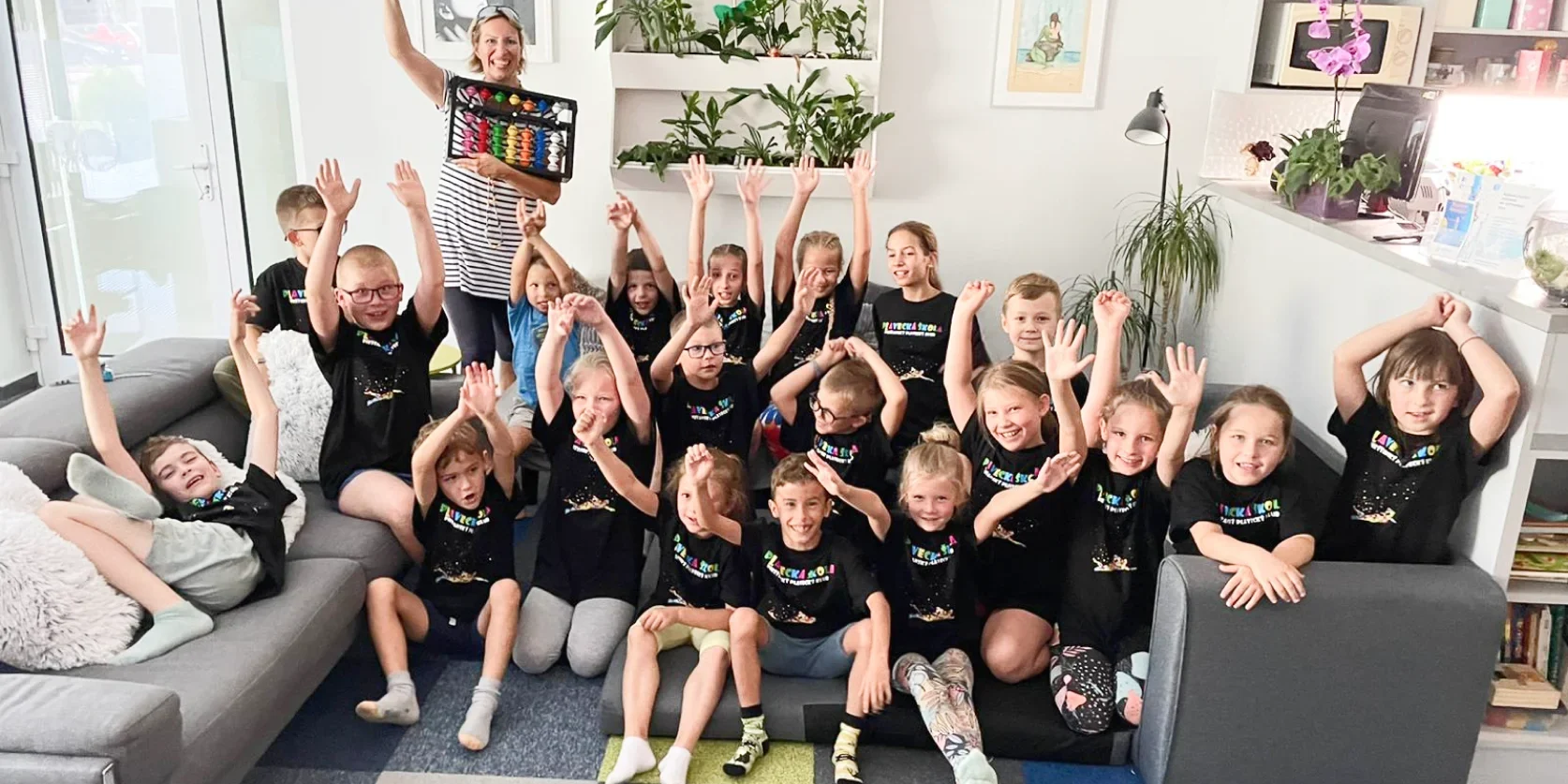
South Korea is globally recognized for its strong academic culture and high educational standards, which makes an education franchise in Korea a highly promising opportunity for entrepreneurs. Education is deeply embedded in Korean society, and parents consistently invest in supplementary programs that enhance cognitive skills, academic performance, and competitive readiness.
In such an environment, structured educational franchises gain significant traction. Families seek innovative learning solutions that go beyond traditional tutoring, focusing on memory development, analytical thinking, and mental agility. This demand creates a stable and scalable foundation for franchise-based educational centers.
The Strong Culture of Supplementary Education
Private education, commonly known as “hagwon” culture, plays a major role in Korea’s learning ecosystem. Parents actively look for programs that provide measurable results and long-term cognitive benefits. As competition in schools remains high, early intellectual development is often viewed as a strategic advantage.
This cultural emphasis on achievement ensures consistent demand. An education franchise operating within this framework benefits from an audience that already understands the value of structured supplementary programs.
Advantages of a Franchise-Based Model
Launching an independent education center in Korea can be complex due to high expectations, curriculum standards, and market competition. A franchise model significantly reduces risk by providing:
- a tested methodology with proven learning outcomes
- comprehensive training for educators and administrators
- established brand positioning and marketing strategies
- continuous operational and strategic support
Such a system allows entrepreneurs to focus on quality delivery and community trust rather than developing everything from scratch.
Market Opportunities in Urban Areas
Major cities like Seoul, Busan, and Incheon offer particularly strong potential. High population density, competitive academic environments, and tech-savvy families create ideal conditions for modern educational programs.
Digital integration is another key factor. Korean families appreciate innovative teaching tools and data-driven progress tracking. Educational franchises that combine structured methodology with modern technology are especially well-positioned for success.
Long-Term Business Stability and Social Impact
Education remains one of the most resilient industries worldwide, and Korea is no exception. Families consistently prioritize spending on their children’s development, even during economic fluctuations. This creates predictable enrollment patterns and long-term sustainability.
Beyond financial stability, running an education franchise in Korea offers meaningful social impact. By strengthening cognitive skills and confidence in young learners, entrepreneurs contribute to shaping future professionals and leaders.
An education franchise in Korea is more than a business venture. It represents a strategic investment in a society that values knowledge, discipline, and continuous improvement. With the right structure and support, it offers both commercial success and lasting community contribution.
Discover more from Life and Tech Shots Magazine
Subscribe to get the latest posts sent to your email.