

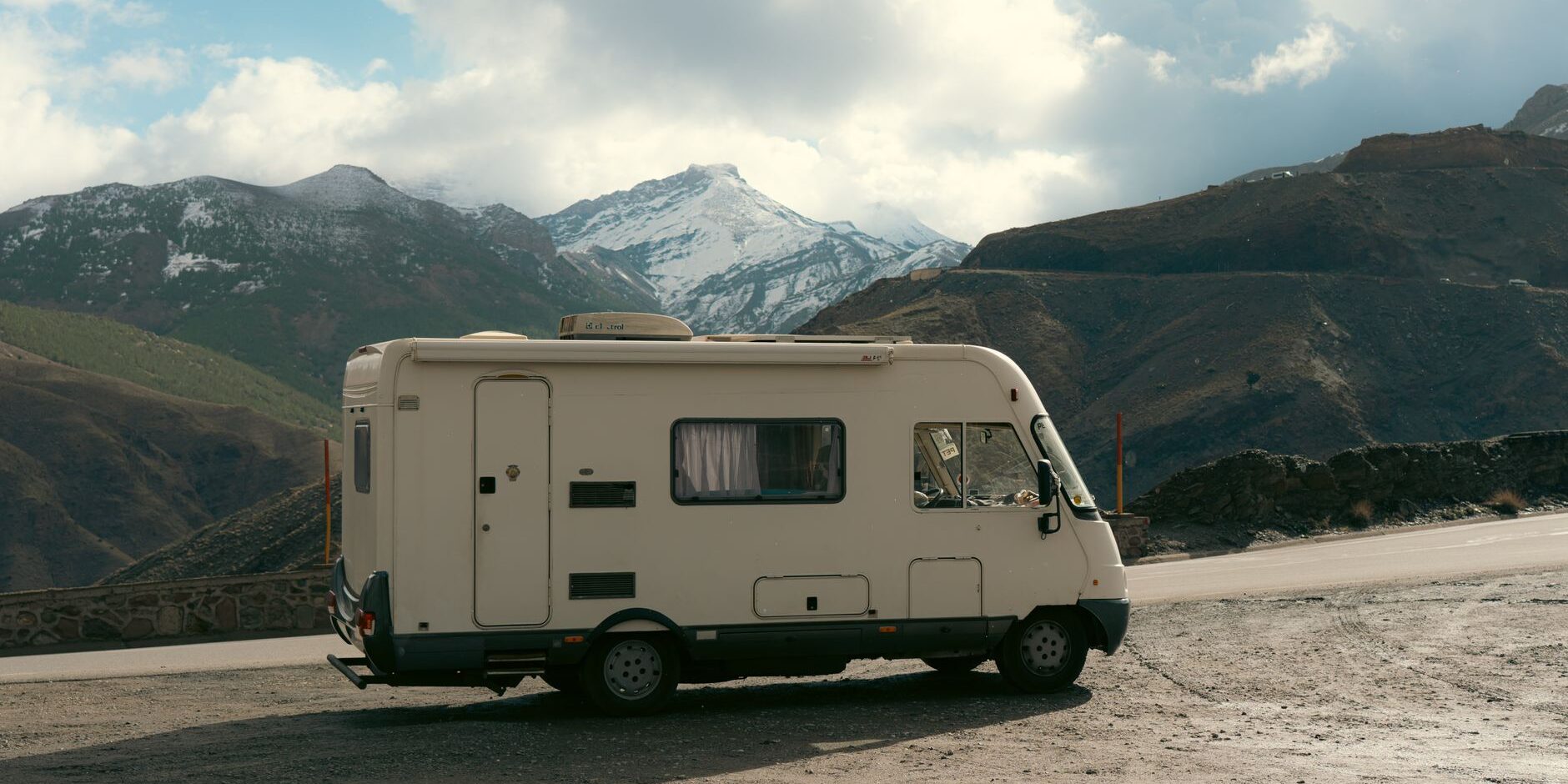
The dream of the open road, the smell of the Mediterranean pines, and the freedom to wake up to a new horizon every day. Renting a motorhome in Spain is no longer just a niche holiday idea; it has become a mainstream way to explore the country’s diverse landscapes. But before you start picturing yourself sipping coffee with a view of the Pyrenees, there are a few things you need to know to ensure your trip is memorable for all the right reasons.
This guide covers everything from choosing the perfect vehicle to understanding the legalities, and how to select a rental company you can trust.
Why Spain is the Perfect Playground for Motorhomes
Spain offers an incredible variety of scenery, from the rugged coastlines of Galicia to the sun-drenched beaches of the Mediterranean and the arid plains of La Mancha. The country’s well-maintained road network makes it accessible, and the climate is generally favorable for most of the year.
Unlike a traditional hotel stay, a campervan gives you total flexibility. Found a hidden beach and want to stay an extra day? No problem. Want to chase the sunset up a mountain? You can do that, too. This flexibility is the primary draw for many travelers, offering a sense of adventure that is hard to replicate.
Choosing Your Home on Wheels: Motorhome vs. Campervan
Selecting the right vehicle is the most critical decision you’ll make. The choice will impact your driving experience, fuel consumption, and overall comfort.
For couples or solo travelers, a compact campervan is often the best choice. These vehicles are smaller, easier to maneuver, and more fuel-efficient, making them ideal for navigating narrow coastal roads and parking in historic town centers.
For families or groups, a larger motorhome is more suitable. These are built for comfort, with features like a kitchen, bathroom, and separate sleeping areas. They offer the luxury of space but come with the trade-off of being less agile and more expensive to run. For those ready to explore this lifestyle, companies like LSR365 offer a variety of vehicle types to suit different group sizes and travel styles.
Key Considerations for First-Timers
- Driver’s License: In Spain, a standard Class B driving license is sufficient to drive most motorhomes under 3,500 kg. If you opt for a larger vehicle weighing up to 7,500 kg, you’ll need a C1 license.
- Sleeping Capacity vs. Living Space: A vehicle may sleep 4 people, but check how much living space there is. If it’s raining, you’ll want to be comfortable sitting inside. Consider vehicles that allow you to stand up straight.
Legalities and Regulations: Where Can You Sleep?
This is the most common area of confusion for new campers. The law in Spain is strict, and the difference between “pernoctar” (sleeping) and “acampar” (camping) is crucial.
- Sleeping (Pernoctar): It is generally legal to sleep inside your parked motorhome as long as the vehicle is in a legal parking spot and you do not extend any part of your “camp” outside. This means no awnings, chairs, or tables on the public road. You are essentially just a vehicle that happens to have people sleeping inside it.
- Camping (Acampar): This is defined as setting up a campsite outside the vehicle. This is strictly prohibited outside of designated campsites or areas. If you put out a chair or table, you are technically camping and can be fined.
Overnight Options
- Paid Campsites (Cámpings): The safest and most comfortable option. They offer full facilities (electricity, water, showers, waste disposal) and are often well-located. Prices typically range from €20-€50 per night during peak season.
- Service Areas (Aires): These are designated areas specifically for motorhomes. They often provide basic services like water refill and waste dumping for a small fee or for free.
- Wild Camping: While tempting, this is illegal in most parts of Spain and can result in heavy fines. If you do it, it must be discreet—just sleeping in the vehicle—and you must leave no trace.
Practical Tips for the Road
A successful motorhome trip requires more than just a full tank of gas.
- Master the “Parking Tetris”: Space is limited inside a van. Pack smartly, using every nook and cranny. A basic toolkit, a first-aid kit, and some simple cooking utensils are essential. There’s no need to overstock on food; plan your route to include stops at local supermarkets and mercados to buy fresh produce and experience local flavors.
- Tackling the Spanish Heat: During the summer, managing the temperature is vital. Invest in thermal window covers. These not only provide privacy but also help keep the interior cool by blocking the sun’s rays. Whenever possible, park in the shade.
- Use Helpful Apps: Apps like Park4Night are indispensable for the modern camper. They help you find campsites, service areas, and free parking spots based on user reviews and up-to-date information.
- Practice Maneuvering: If you’re not used to driving a larger vehicle, take some time to practice. Spanish towns can have incredibly narrow streets, so it’s often wise to park outside the city center and walk or take public transport in.
How to Choose a Reliable Rental Company
With the growing popularity of vanlife, the number of rental companies has exploded. To avoid unpleasant surprises, it pays to do your homework. Here is a checklist for choosing a reliable provider:
- Transparent Pricing: Always look beyond the daily rate. Ask about the security deposit, insurance excess, and whether the mileage is limited. Companies that are vague about these costs should be treated with caution.
- Insurance Coverage: Ensure the vehicle comes with comprehensive insurance. Check the policy’s deductible and consider paying extra for “total peace of mind” coverage to reduce your financial liability in case of damage.
- Fleet Condition: Look for companies that maintain modern, clean, and well-serviced fleets. A reliable company will be happy to show you the vehicle’s service records.
- Customer Service: Read reviews about the company’s responsiveness and support during the rental period. Issues can arise, and you need to know the company will be there to help.
For those planning a trip in the province of Alicante, having a local rental base is a major advantage. Whether you are looking for a short weekend escape or a longer expedition, exploring your options for alquiler de autocaravanas en España through a trusted provider ensures you start your journey on the right foot. With a base on the Mediterranean coast, a alquiler de campers en Alicante allows you to hit the road and discover hidden coves and charming villages almost immediately. Companies operating in this region, such as LSR365, are well-positioned to offer vehicles equipped with heating, hot water, solar panels, and full kitchen utilities, making them ideal for comfortable “vanlife” experiences along the Costa Blanca.
Conclusion
Renting a motorhome in Spain opens up a world of possibilities. It offers a unique blend of adventure, freedom, and comfort. By choosing the right vehicle, respecting local laws, and planning ahead, you can ensure your Spanish road trip is a smooth and unforgettable experience. The key is to balance your desire for spontaneity with careful preparation, and to choose a rental partner who values quality and transparency just as much as you do.
Discover more from Life and Tech Shots Magazine
Subscribe to get the latest posts sent to your email.